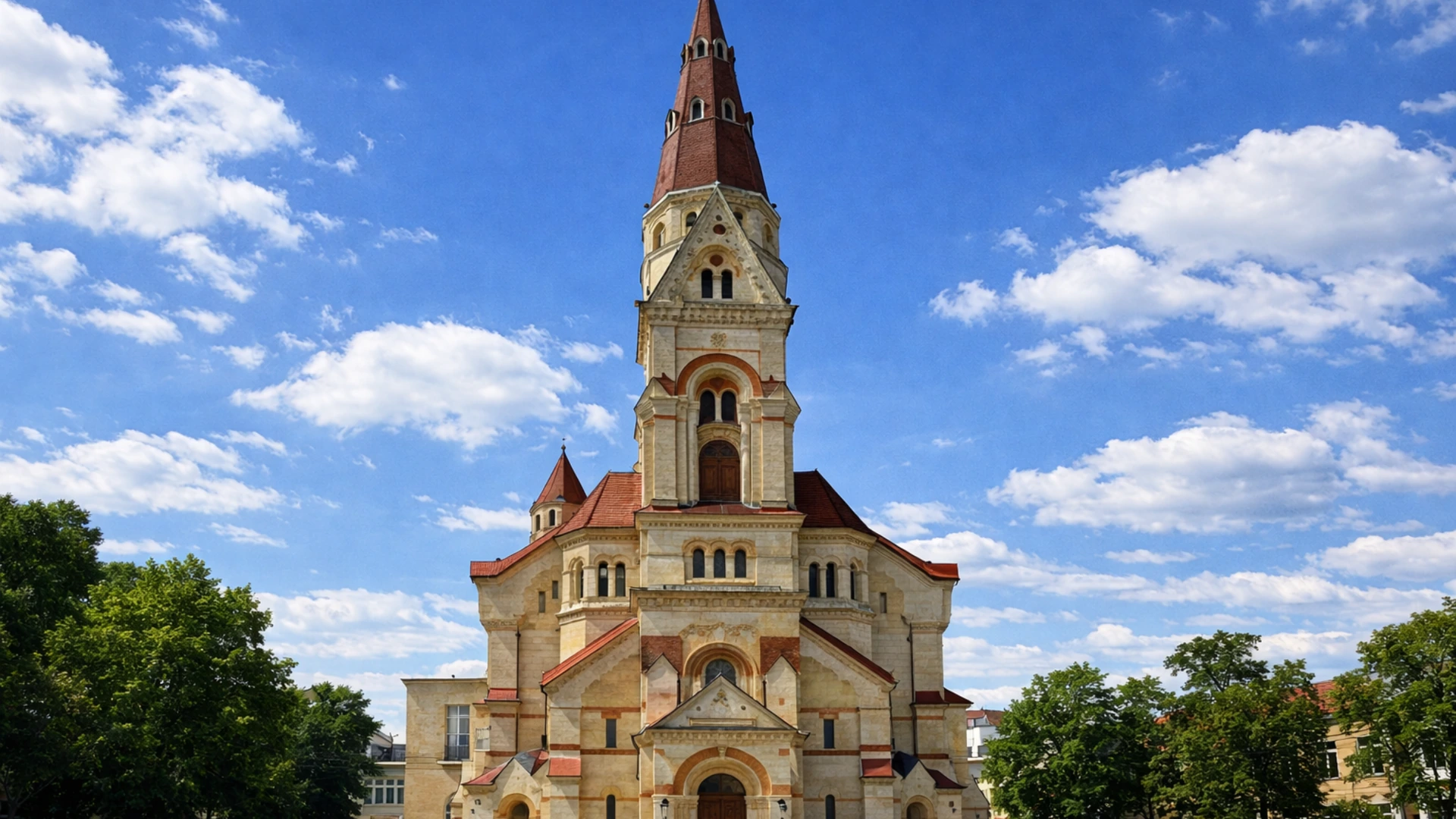
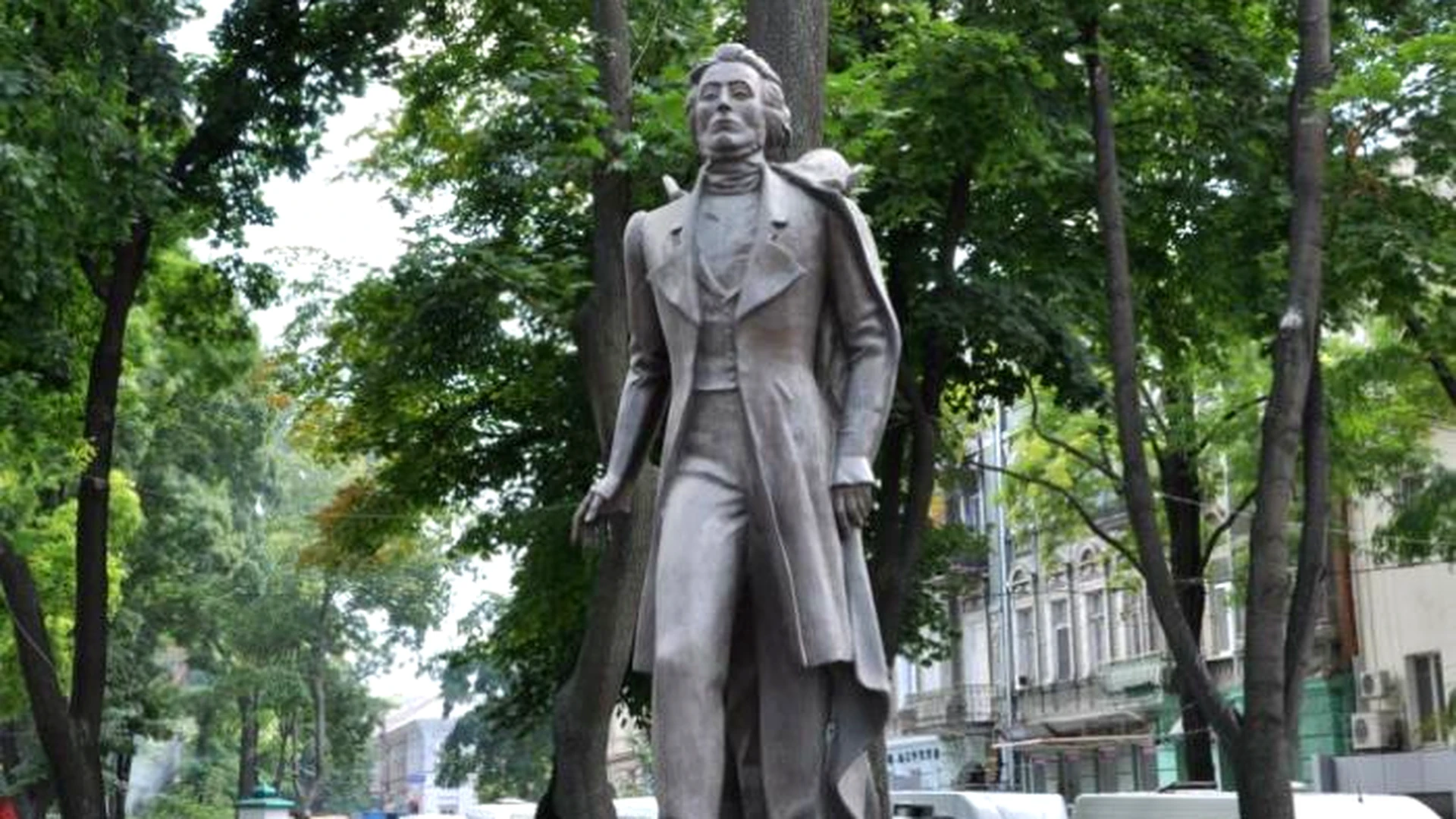
The “French Charm of Odesa” tour invites you to see the city through one of the most elegant and visible themes in its history — French influence. Wherever your walk through Odesa takes you, traces of France are bound to appear: in names, place names, architecture, urban culture and even in the very sound of the city.
During the tour, we’ll talk about why one of Odesa’s most beloved city governors was French, how the city’s first newspaper was published in French, and why its oldest park bears the name of the Duke de Richelieu. We’ll remember Alexandre de Langeron, after whom a beach and one of the city’s best-known streets are named, explore stories connected with French Boulevard, and see how the French theme became a natural part of Odesa’s identity.
This walk will help you feel that the French presence in Odesa is more than just a collection of beautiful names — it is an important part of the city’s character. The French influence here is connected with governance, culture, lifestyle, language, public taste and the very atmosphere of European Odesa. Even the city’s name seems to carry a trace of it — subtle, unexpected and remarkably expressive.
“French Charm of Odesa” is a tour about a city that knows how to be both southern and European, light-hearted and refined, lively and historically layered. After this walk, Odesa reveals itself as a place where French taste became part of its local charm.
What You’ll Hear and Learn
What’s Included in the Price
- 2–2.5 hours of a walking tour led by the distinctive guides of “Tudoy-Syudoy”
- fascinating stories that will leave a lasting impression
What’s Not Included in the Price
- personal expenses
We Recommend Bringing
Odesa likes its guests to travel light, but smart: comfortable shoes, water, clothes suitable for the weather (in summer — a hat/sun protection, in cooler seasons — a windproof jacket), a charged phone or power bank for photos, and a little cash for a spontaneous coffee or souvenir. The city will provide the rest — just don’t bring a sense of hurry: that’s the first thing you’ll lose here, and honestly, that’s for the best.